Selasa, 18 November 2025

157+ 10x20 Shed Build Cost

How much does 10 x 12 shed cost to build yourself? shedcalculator.com

Opening: Dreaming of a 10x20 Shed? Let's Build It! This comprehensive guide will walk you through building your own 10x20 shed, step by step, from foundation to finish. We'll cover everything from planning and materials to construction techniques, helping you create a functional and stylish storage space that will last for years.
Step 1: Planning and Preparation First, you need a solid plan. A well-defined plan will save you time, money, and frustration during the build.
  • 1. Obtain Permits: Research local building codes and obtain any necessary permits before starting construction.
  • 2. Design Your Shed: Sketch out your desired shed layout, including door and window placement. Consider the storage needs and aesthetics. There are many free and paid shed plans available online.
  • 3. Site Preparation: Choose a level and well-drained location for your shed. Clear the area of vegetation, rocks, and debris.
  • Step 2: Building the Foundation A solid foundation is crucial for the stability and longevity of your shed. There are several options, including gravel pad, concrete slab, or pier and beam foundation. We'll focus on a gravel pad for simplicity and cost-effectiveness.
  • 1. Mark the Area: Use stakes and string to mark the perimeter of your 10x20 shed.
  • 2. Excavate: Dig down approximately 6-8 inches within the marked area.
  • 3. Add Landscape Fabric: Line the excavated area with landscape fabric to prevent weed growth.
  • 4. Fill with Gravel: Add several layers of compacted gravel, each about 2-3 inches thick, until the gravel pad is level and reaches the desired height. Use a plate compactor to ensure proper compaction.
  • Step 3: Constructing the Floor Frame The floor frame provides the structural base for your shed.
  • 1. Cut Lumber: Cut pressure-treated lumber to the required lengths for the perimeter frame (two 20-foot boards and two 10-foot boards).
  • 2. Assemble the Frame: Assemble the perimeter frame using screws or nails. Ensure the corners are square.
  • 3. Add Joists: Install floor joists every 16 inches on center (OC) within the frame. Use metal joist hangers for added strength.
  • 4. Sheathe the Floor: Cover the floor frame with plywood or OSB sheathing, securing it with screws.
  • Step 4: Framing the Walls Framing the walls is the next major step.
  • 1. Cut Wall Studs: Cut wall studs to the appropriate length for your desired wall height (typically 8 feet).
  • 2. Assemble Wall Frames: Assemble the wall frames on the ground, including studs every 16 inches OC, top plates, and bottom plates. Frame openings for doors and windows, adding headers for support.
  • 3. Raise the Walls: Raise the wall frames into position and secure them to the floor frame using screws or nails. Ensure the walls are plumb and level.
  • 4. Connect the Walls: Connect the wall frames to each other at the corners, using screws or nails.
  • Step 5: Building the Roof The roof protects your shed from the elements.
  • 1. Build Rafters or Trusses: Construct rafters or trusses according to your shed plan. Trusses are generally easier for DIYers.
  • 2. Install Rafters/Trusses: Install the rafters or trusses at the specified spacing (typically 24 inches OC).
  • 3. Add Sheathing: Cover the rafters or trusses with plywood or OSB sheathing, securing it with screws.
  • 4. Install Roofing Material: Install your chosen roofing material, such as asphalt shingles, metal roofing, or wood shakes, following the manufacturer's instructions.
  • Step 6: Installing Siding and Trim Siding and trim add to the shed's aesthetics and protect the walls from the elements.
  • 1. Install Siding: Install your chosen siding material (e.g., wood siding, vinyl siding, metal siding) according to the manufacturer's instructions.
  • 2. Install Trim: Install trim around doors, windows, and corners to cover exposed edges and add a finished look.
  • Step 7: Installing Doors and Windows Doors and windows provide access and ventilation.
  • 1. Install Doors: Install the doors according to the manufacturer's instructions. Ensure the doors swing freely and latch securely.
  • 2. Install Windows: Install the windows according to the manufacturer's instructions. Ensure the windows are properly sealed to prevent leaks.
  • Step 8: Interior Finishing (Optional) Interior finishing can make your shed more functional and comfortable.
  • 1. Insulate: Insulate the walls and roof to regulate temperature and reduce condensation.
  • 2. Install Interior Walls: Install interior walls to create separate storage areas or a workshop space.
  • 3. Add Shelving: Add shelving to maximize storage space.
  • 4. Electrical Wiring: If desired, install electrical wiring for lighting and power outlets. *Note: This should be done by a qualified electrician.*
  • Conclusion: Enjoy Your New 10x20 Shed! Congratulations on building your own 10x20 shed! With careful planning, diligent work, and attention to detail, you've created a valuable storage space that will serve you well for years to come. Remember to regularly inspect and maintain your shed to ensure its longevity.

    How Much Does It Cost To Build A Shed? (2025)

    How much does it cost to build a shed? (2025) homeguide.com

    How Much Does 10 X 12 Shed Cost To Build Yourself?

    How much does 10 x 12 shed cost to build yourself? shedcalculator.com

    Kit Shed Cost At Ami Hernandez Blog

    Kit shed cost at ami hernandez blog storage.googleapis.com
    Read More..

    Minggu, 16 November 2025

    62+ Plastic Garden Sheds And Storage Boxes

    Plastic pollution — as you sow www.asyousow.org

    Opening: Let's build a simple DIY storage shed using repurposed plastic materials! This is a great way to recycle and create functional storage space for your garden tools, toys, or other outdoor items. This guide will provide you with a step-by-step process.
    Materials You'll Need:
  • Repurposed Plastic Panels (e.g., old corrugated plastic sheets, siding, or large plastic bins cut into panels)
  • Wooden Framing Lumber (2x4s or similar, pressure treated recommended)
  • Screws (for wood and plastic, appropriate lengths)
  • Measuring Tape
  • Pencil
  • Saw (circular saw, hand saw, or jigsaw)
  • Drill/Driver
  • Level
  • Safety Glasses
  • Work Gloves
  • (Optional) Door hinges, latch, and hardware
  • (Optional) Roofing material (tarps, corrugated plastic, etc.)
  • Step 1: Design and Planning: Determine the size and shape of your shed. Consider the available space in your yard and what you plan to store inside. Sketch out a basic design with dimensions. This will help you estimate the amount of materials needed.
    Step 2: Building the Base Frame: Cut the wooden framing lumber to create a rectangular base frame. Ensure the corners are square using a carpenter's square or by employing the 3-4-5 rule. Secure the frame pieces together with screws. Pressure treated lumber is best to prevent rot. Level the base frame on your chosen site. Consider using gravel or paving stones beneath the base for drainage.
    Step 3: Constructing the Wall Frames: Build the wall frames using the same wooden lumber. Determine the height of your shed walls and cut the vertical and horizontal frame pieces accordingly. Add vertical studs to the wall frames for support, spacing them approximately 16-24 inches apart. Screw the wall frame pieces together. Remember to frame an opening for the door if desired.
    Step 4: Attaching the Plastic Panels: Attach the repurposed plastic panels to the exterior of the wall frames. Overlap the panels slightly to provide weather protection. Secure the panels to the frame with screws designed for plastic. Pre-drilling pilot holes in the plastic can prevent cracking. Ensure the panels are flush and aligned properly.
    Step 5: Assembling the Walls: Carefully lift the wall frames and attach them to the base frame. Ensure the walls are plumb (perfectly vertical) using a level. Secure the wall frames to the base frame with screws. Connect the wall frames to each other at the corners, again using screws.
    Step 6: Building the Roof: Construct a simple roof frame using wooden lumber. You can create a slightly sloping roof for better water runoff. Attach the roof frame to the top of the wall frames. Cover the roof frame with your chosen roofing material, such as tarps or corrugated plastic. Secure the roofing material to the frame with screws or appropriate fasteners. Ensure proper overlap for weatherproofing.
    Step 7: Installing the Door (Optional): If you included a door opening in your design, build a simple door frame and door using wooden lumber and plastic panels. Attach the door to the door frame using hinges. Install a latch or other hardware to secure the door closed.
    Step 8: Finishing Touches: Inspect the shed for any gaps or weaknesses. Add additional screws or sealant as needed to ensure weatherproofing. Consider painting or decorating the shed to improve its appearance. Organize the interior of the shed to maximize storage space.
    Conclusion: Congratulations! You've successfully built a DIY storage shed using repurposed plastic. This project is an excellent way to recycle materials and create a functional and affordable storage solution for your outdoor needs. Remember to adapt the design and materials to suit your specific needs and available resources.

    Action Of The Week: Just Say No To Single-use Plastics

    Action of the week: just say no to single-use plastics www.floridamuseum.ufl.edu

    Plastic Pollution — As You Sow

    Plastic pollution — as you sow www.asyousow.org

    The 7 Different Types Of Plastic

    The 7 different types of plastic www.plasticsforchange.org
    Read More..

    Sabtu, 15 November 2025

    76+ Disadvantages Of Flat Roof Design

    Advantages and disadvantages of flat roof design bullionriseconsult.com

    Opening: The DIY Cardboard Cat House A Feline Fortress on a Budget
    Is your cat constantly seeking out boxes? Do you want to provide them with a safe, cozy, and fun space without breaking the bank? Then building a DIY cardboard cat house is the perfect solution! This step-by-step guide will walk you through creating a personalized haven for your feline friend using readily available materials. Prepare for some purrfectly delightful construction!
    Step 1: Gathering Your Supplies
    Before you begin, gather the following materials:
  • Cardboard boxes (various sizes, one large box is essential for the main structure)
  • Box cutter or sharp utility knife
  • Packing tape or strong adhesive tape
  • Ruler or measuring tape
  • Pencil or marker
  • Optional: Paint, markers, fabric scraps, catnip spray for decoration
  • Step 2: Planning and Design
    Sketch out your desired cat house design. Consider the following:
  • Size: Ensure the house is large enough for your cat to comfortably turn around and lie down.
  • Entrance: Decide on the size and shape of the entrance hole. A circular or arched opening is generally preferred.
  • Number of levels: Do you want a single-level house or a multi-story structure with ramps or platforms?
  • Ventilation: Don't forget to include ventilation holes to prevent stuffiness.
  • Step 3: Constructing the Base Structure
    Begin with your largest cardboard box. This will form the main body of the cat house.
  • If the box has flaps, fold them inwards and secure them tightly with packing tape to create a sturdy base.
  • Using your ruler and pencil, mark the desired location and size of the entrance on one side of the box.
  • Carefully cut out the entrance using your box cutter. Be cautious and use a cutting mat to protect your work surface.
  • Smooth the edges of the entrance to prevent your cat from getting scratched. You can use tape to reinforce the edges if needed.
  • Step 4: Adding Levels and Features (Optional)
    If you want a multi-level cat house:
  • Cut smaller cardboard boxes to create platforms or ramps.
  • Securely attach the platforms inside the main box using tape or glue. Ensure the platforms are stable and can support your cat's weight.
  • Create ramps by cutting pieces of cardboard at an angle and attaching them between levels.
  • Add ventilation holes to the sides or top of the box.
  • Step 5: Reinforcing the Structure
    Strengthen the cat house by:
  • Reinforcing all seams and edges with packing tape.
  • Consider adding extra layers of cardboard to areas that might be prone to wear and tear.
  • If you are building a multi-level structure, pay special attention to the points where the levels are connected.
  • Step 6: Decorating and Personalizing
    Time to make your cat house extra special!
  • Paint the exterior of the cat house with non-toxic paint.
  • Use markers to draw fun designs or your cat's name.
  • Attach fabric scraps to the interior for added comfort.
  • Sprinkle catnip spray inside the house to entice your cat to explore their new abode.
  • Conclusion: A Purrfectly Personalized Paradise
    Congratulations! You've created a custom-built cardboard cat house. This project is not only a great way to recycle materials but also provides your feline friend with a unique and personalized space to call their own. Observe how your cat interacts with their new home and make adjustments as needed. Enjoy the satisfaction of knowing you built something special for your beloved companion!

    Advantages And Disadvantages Of Flat Roof Design

    Advantages and disadvantages of flat roof design bullionriseconsult.com

    Flat Roof Advantages And Disadvantages

    Flat roof advantages and disadvantages homevanities.com

    Advantages And Disadvantages Of Flat Roof Design

    Advantages and disadvantages of flat roof design bullionriseconsult.com
    Read More..

    Jumat, 14 November 2025

    153+ Shed With Painting Area

    Handy home products do-it yourself princeton premier 10 ft. w x 10 ft. d outdoor wood storage www.homedepot.com

    Introduction: Your DIY 153+ Sq Ft Shed with Painting Area This guide provides a step-by-step approach to building a spacious shed featuring a dedicated painting area. This shed is ideal for storage, workshops, or hobby spaces, and the added painting section will streamline your creative projects. Before you start, ensure you have the necessary permits and adhere to local building codes. Always prioritize safety and wear appropriate protective gear.
    Step 1: Planning and Preparation
  • Design and Layout: Begin by sketching out your shed's design. Consider the dimensions (153+ sq ft minimum), placement of doors, windows, and the layout of your painting area. Will it be enclosed or partially open? Factor in ventilation for the painting zone.
  • Materials List: Create a detailed materials list based on your design. This includes lumber (framing, sheathing, siding), roofing materials, foundation materials (concrete blocks, gravel, or concrete slab), hardware (nails, screws, hinges), door and window components, paint, and painting supplies.
  • Tools: Gather all necessary tools. You'll likely need a saw (circular saw, miter saw), drill, impact driver, hammer, level, measuring tape, square, safety glasses, work gloves, and potentially a concrete mixer if you're pouring a slab.
  • Site Preparation: Choose a level location for your shed. Clear the area of vegetation and debris. If using concrete blocks or gravel, prepare a level base. For a concrete slab, excavate the area and pour the concrete according to local building codes.
  • Step 2: Building the Foundation
  • Gravel/Block Foundation: If using gravel, compact a layer of gravel over the prepared area. For concrete blocks, level the ground and place the blocks at the corners and along the perimeter of the shed, ensuring they are level with each other.
  • Concrete Slab Foundation: After excavation, build a form for the concrete slab. Lay down a layer of gravel, followed by rebar reinforcement. Pour the concrete, level it, and allow it to cure completely according to manufacturer's instructions.
  • Pressure Treated Base (for both): Regardless of foundation type, construct a pressure-treated wood frame on top of the foundation as a base for the shed walls. This will protect the structure from moisture. Securely fasten the frame to the foundation using appropriate anchors.
  • Step 3: Framing the Walls
  • Wall Construction: Build the wall frames using lumber. Lay out the studs (vertical supports) at 16-inch or 24-inch intervals, depending on your local building codes and structural requirements. Frame the openings for doors and windows.
  • Wall Sheathing: Attach sheathing (plywood or OSB) to the exterior of the wall frames. This provides structural support and a surface for attaching siding.
  • Raising the Walls: Carefully raise each wall frame and secure it to the foundation and to each other at the corners. Ensure the walls are plumb (perfectly vertical) and level. Use temporary bracing to hold the walls in place while you complete the framing.
  • Step 4: Building the Roof
  • Roof Framing: Construct the roof rafters or trusses based on your design. Common roof types include gable, shed, or hip roofs. Ensure the roof framing is strong enough to support the weight of the roofing materials and snow load, if applicable in your area.
  • Roof Sheathing: Attach sheathing to the roof framing, creating a solid surface for the roofing material.
  • Roofing: Install the roofing material, such as asphalt shingles, metal roofing, or wood shingles, according to the manufacturer's instructions. Overlap the materials correctly to prevent leaks.
  • Step 5: Installing Doors and Windows
  • Door Installation: Install the door frame and hang the door, ensuring it swings freely and closes properly. Install the door hardware, such as hinges, doorknob, and lock.
  • Window Installation: Install the window frames and insert the windows. Seal around the windows with caulk to prevent drafts and water leaks.
  • Step 6: Siding and Exterior Finishing
  • Siding Installation: Attach siding to the exterior walls, covering the sheathing. Common siding materials include wood siding, vinyl siding, or metal siding. Overlap the siding correctly and secure it with nails or screws.
  • Trim and Finishing: Install trim around the doors, windows, and corners of the shed to give it a finished look. Paint or stain the siding and trim to protect the wood from the elements.
  • Step 7: Creating the Painting Area
  • Framing the Painting Area: If your painting area is enclosed, frame the walls for it, incorporating ventilation (windows, vents, or a fan). If it's partially open, define the space with posts or a partial wall.
  • Ventilation: Install proper ventilation to remove paint fumes. This could involve an exhaust fan or screened windows. Ensure adequate airflow for safety.
  • Protective Surfaces: Protect the floor and surrounding surfaces with drop cloths or a dedicated paint booth floor. Consider using washable or disposable coverings.
  • Storage and Organization: Install shelves or storage cabinets to organize your paints, brushes, and other painting supplies.
  • Step 8: Interior Finishing
  • Flooring: Install flooring inside the shed. Options include plywood, OSB, or vinyl flooring. Choose a durable and easy-to-clean material.
  • Insulation (Optional): If you plan to use the shed year-round, consider insulating the walls and roof. This will help regulate the temperature inside the shed.
  • Electrical Wiring (Optional): If you need electricity in the shed, hire a qualified electrician to install wiring, outlets, and lighting. Be sure to follow all local electrical codes.
  • Interior Walls (Optional): If desired, finish the interior walls with drywall or wood paneling.
  • Conclusion: Enjoy Your New Shed! Congratulations! You've successfully built a 153+ sq ft shed with a dedicated painting area. Take the time to organize your tools, supplies, and painting materials. Regularly maintain your shed to keep it in good condition for years to come. Remember to always follow safety precautions when working on your shed or using the painting area.

    Handy Home Products Do-it Yourself Princeton Premier 10 Ft. W X 10 Ft. D Outdoor Wood Storage

    Handy home products do-it yourself princeton premier 10 ft. w x 10 ft. d outdoor wood storage www.homedepot.com

    Wood Shed With Lean To

    Wood shed with lean to yardshedkitscostco.blogspot.com

    Amazon.com

    Amazon.com www.amazon.com
    Read More..

    Kamis, 13 November 2025

    106+ Chicken Coop 5 Chickens

    Trader joe's spatchcock chicken recipe: deliciously juicy and easy! kitchenaiding.com

    Opening: A Cozy Coop for Your Clucking Crew Thinking about getting chickens, or need a better home for your feathered friends? Building your own coop is a rewarding project that lets you customize the space to suit your needs and budget. This guide provides a step-by-step approach to building a coop suitable for approximately 5-6 chickens, offering ample space for roosting, nesting, and comfortable living. Let's get started!
    Step 1: Planning and Design Before you pick up a hammer, careful planning is crucial. Consider these factors:
  • Size: A good rule of thumb is 4 square feet of coop space per chicken and 8-10 square feet of run space per chicken. For 5-6 chickens, aim for a coop around 20-24 square feet.
  • Location: Choose a well-drained spot with partial shade. Avoid low-lying areas that collect water. Consider proximity to your house for convenience, but also consider potential noise and odor.
  • Materials: Common materials include lumber (pressure-treated for ground contact), plywood, chicken wire or hardware cloth, roofing materials (shingles, metal roofing), nails, screws, and hinges.
  • Design: A basic coop consists of a raised floor, walls, a roof, a door, a nesting box, and roosting bars. A run provides outdoor space. Research various designs online for inspiration. Draw up your plans with measurements.
  • Step 2: Gathering Materials and Tools Based on your plan, create a comprehensive materials list. This will make shopping easier and prevent mid-project trips to the hardware store. Essential tools include:
  • Circular saw or hand saw
  • Drill/driver
  • Hammer
  • Measuring tape
  • Level
  • Square
  • Staple gun (for attaching chicken wire)
  • Safety glasses
  • Gloves
  • Gather all your materials and tools in your workspace.
    Step 3: Building the Foundation and Floor A solid foundation is essential. For a raised coop:
  • Build a rectangular frame from pressure-treated lumber, according to your plan's dimensions.
  • Add cross supports for stability.
  • Attach hardware cloth or chicken wire to the bottom of the frame to prevent predators from digging under the coop.
  • Cover the frame with plywood to create the floor. Secure with screws.
  • Step 4: Constructing the Walls
  • Cut lumber to create the wall frames, following your design. Include framing for the door and any windows (optional).
  • Attach the frames to the floor using screws. Ensure they are plumb (vertically straight).
  • Sheathe the walls with plywood.
  • Cut out openings for the door and any windows.
  • Step 5: Building the Roof
  • Construct roof rafters (triangular supports) based on your desired roof pitch. A simple sloped roof is easiest.
  • Attach the rafters to the top of the walls, ensuring they are evenly spaced.
  • Cover the rafters with plywood sheathing.
  • Apply roofing felt (tar paper) as an underlayment.
  • Install your chosen roofing material (shingles, metal roofing) according to the manufacturer's instructions.
  • Step 6: Adding the Nesting Box and Roosting Bars
  • Build a nesting box, typically divided into several compartments, outside the coop wall. Allow about one nesting box per 3-4 hens. Access it from outside for easy egg collection.
  • Install roosting bars inside the coop. These should be smooth, round perches, at least 2 inches in diameter, placed at varying heights to allow chickens to choose their preferred roosting spot.
  • Step 7: Creating the Door and Run
  • Build a door frame and attach plywood. Install hinges and a latch to securely close the door.
  • Construct a run using lumber and chicken wire or hardware cloth. Bury the bottom edge of the wire at least 12 inches deep to deter digging predators.
  • Attach the run to the coop, creating an enclosed outdoor space.
  • Add a door to the run for access.
  • Step 8: Finishing Touches and Safety Checks
  • Inspect the coop for any gaps or openings that predators could exploit. Securely fasten all wire and plywood.
  • Add bedding to the coop floor (wood shavings, straw).
  • Provide fresh water and food.
  • Ensure good ventilation to prevent moisture buildup.
  • Consider adding a dust bath area within the run.
  • Conclusion: A Safe and Happy Home for Your Chickens Congratulations! You've built a chicken coop. With proper care and maintenance, your coop will provide a safe, comfortable, and productive environment for your chickens for years to come. Enjoy fresh eggs and the delightful company of your flock!

    Easy Chicken Recipes In Under 30 Minutes

    Easy chicken recipes in under 30 minutes www.licious.in

    Fried Chicken: The Easy 30-minute Recipe You Need To Try!

    Fried chicken: the easy 30-minute recipe you need to try! www.masala.com

    Trader Joe's Spatchcock Chicken Recipe: Deliciously Juicy And Easy!

    Trader joe's spatchcock chicken recipe: deliciously juicy and easy! kitchenaiding.com
    Read More..

    Rabu, 12 November 2025

    121+ Flat Roof Round House

    100+ flats pictures unsplash.com

    Opening: Round House Dreams on a Budget Ever dreamed of living in a unique, eye-catching round house with a flat roof? While purchasing a pre-built one can be expensive, building your own DIY version is achievable with some planning, effort, and basic construction skills. This guide provides a step-by-step approach to creating a small-scale, flat-roofed round house, perfect for a backyard studio, guest house, or even a unique tiny home. Remember to consult local building codes and regulations before starting any construction project. Safety first!
    Step 1: Planning and Design The foundation of any successful build is a solid plan. This stage involves:
  • Choosing a Size: Determine the diameter of your round house. Consider the intended use and available space. Smaller diameters (e.g., 10-12 feet) are easier to manage for DIY projects.
  • Sketching Blueprints: Create detailed drawings, including floor plans, elevation views, and roof design. Pay attention to the angles of walls and roof supports.
  • Material Selection: Decide on the primary building materials. Common choices include wood framing, concrete blocks, or even repurposed materials like shipping containers (cut and curved). The flat roof construction materials are equally important, think about durability, insulation and weather-resistance
  • Acquiring Permits: Research and obtain all necessary building permits from your local municipality.
  • Step 2: Foundation and Framing The foundation provides the stable base for your round house. The framing will define the structure's shape.
  • Foundation Construction: Depending on your chosen design and soil conditions, you might opt for a concrete slab, a pier and beam foundation, or a gravel pad. Ensure the foundation is level and properly reinforced.
  • Framing the Walls: This is where the round shape comes to life.
  • Wood Framing: Construct a circular base plate. Use shorter, angled studs to create the curve. This requires careful measurements and precise cuts.
  • Concrete Blocks: Lay the blocks in a circular pattern, ensuring each course is level. Mortar the blocks securely.
  • Window and Door Openings: Frame the openings for windows and doors as you build the walls. Ensure they are plumb and square.
  • Step 3: Flat Roof Construction Building a flat roof on a round structure requires careful planning to ensure proper drainage and structural integrity.
  • Roof Framing: Construct a circular roof frame using rafters or joists. The rafters need to be carefully angled to sit on the top of the wall and meet in the middle to create a level surface. Reinforce the center where the rafters meet.
  • Sheathing: Cover the roof frame with plywood or OSB sheathing. Securely fasten the sheathing to the rafters.
  • Roofing Membrane: Install a waterproof roofing membrane, such as TPO, EPDM, or modified bitumen. Follow the manufacturer's instructions carefully. Ensure proper sealing around vents and penetrations.
  • Drainage: Incorporate a slight slope (approximately 1/4 inch per foot) toward a central drain or scuppers to facilitate water runoff.
  • Step 4: Exterior Finishing This step focuses on protecting the structure from the elements and adding aesthetic appeal.
  • Siding Installation: Choose a siding material that complements the round shape, such as wood siding, metal siding, or stucco. Install the siding according to the manufacturer's instructions.
  • Window and Door Installation: Install windows and doors, ensuring they are properly sealed to prevent leaks.
  • Exterior Painting/Staining: Apply a protective coating to the siding to protect it from the elements and enhance its appearance.
  • Step 5: Interior Finishing The interior finishing stage transforms the shell into a livable space.
  • Insulation: Insulate the walls and roof to improve energy efficiency. Choose from options like fiberglass batts, spray foam, or rigid foam insulation.
  • Drywall/Wall Covering: Install drywall or other wall coverings, such as wood paneling or shiplap.
  • Flooring: Install your chosen flooring material, such as wood, tile, or laminate.
  • Electrical and Plumbing: Run electrical wiring and plumbing according to local codes. Hire licensed professionals for these tasks if needed.
  • Interior Painting/Finishing: Paint or finish the interior walls and trim.
  • Conclusion: Your Unique Round House is Complete! Building a DIY flat-roofed round house is a challenging but rewarding project. By following these steps and paying attention to detail, you can create a unique and functional structure that reflects your personal style. Remember to prioritize safety, adhere to building codes, and don't be afraid to seek professional help when needed. Enjoy your one-of-a-kind round house!

    Best 20+ Flat Pictures & Images

    Best 20+ flat pictures & images unsplash.com

    100+ Flats Pictures

    100+ flats pictures unsplash.com

    Flats Free Stock Photo

    Flats free stock photo www.freeimages.com
    Read More..

    Selasa, 11 November 2025

    131+ Timber Frame Build

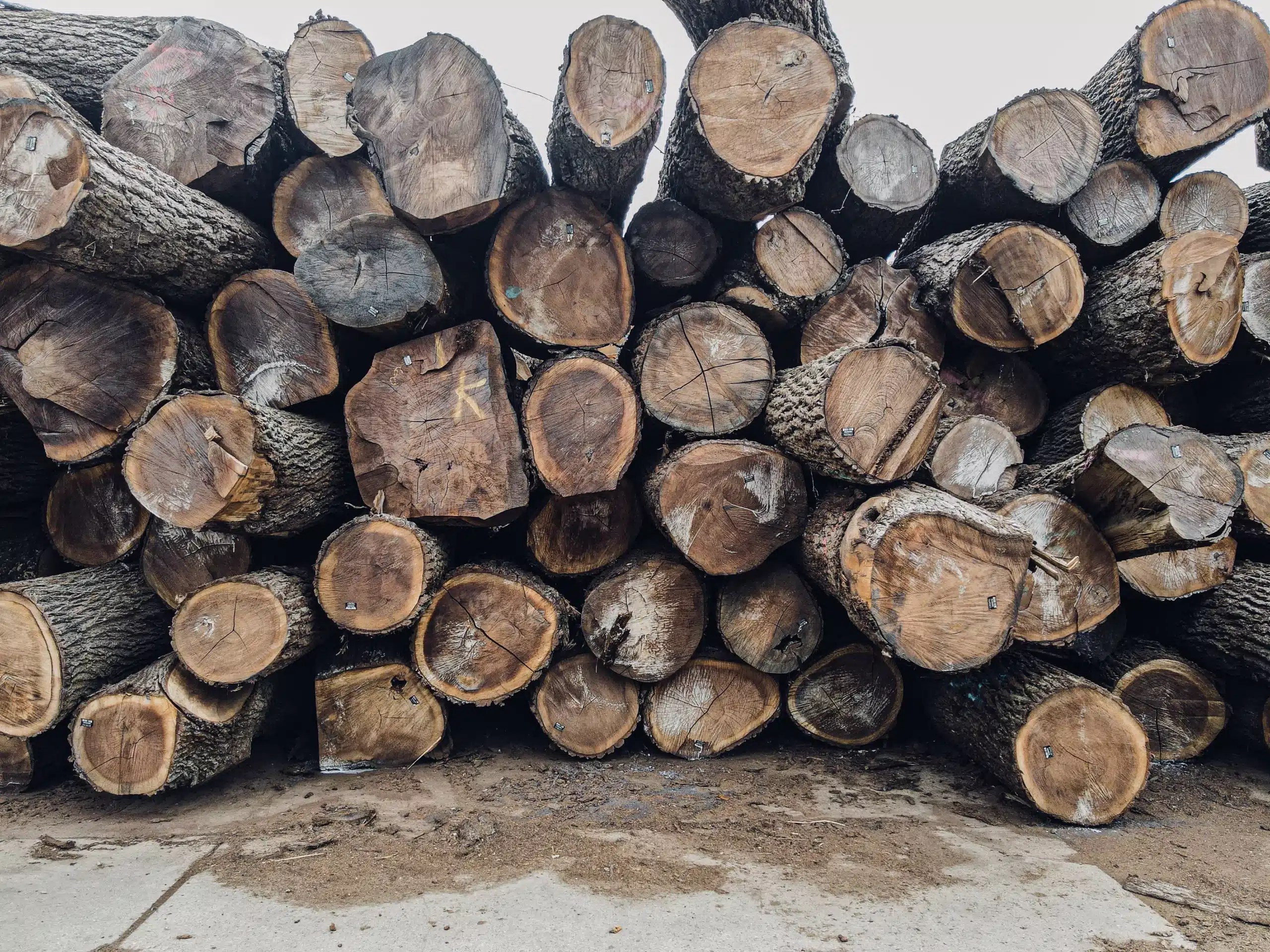
    Timber supplies & timber materials www.beersltd.co.uk

    ```html
    Opening: Your Own DIY Timber Frame! Dreaming of a rustic, sturdy structure in your backyard? Building a timber frame structure can be a rewarding and challenging DIY project. This step-by-step guide will walk you through the process of creating a small, basic timber frame, perfect for a shed, garden structure, or even a small workshop. Remember safety is paramount. Always wear appropriate safety gear and consult with experienced professionals when needed.
    Step 1: Planning and Design Before you even think about picking up a tool, meticulous planning is crucial.
  • Design Your Frame: Determine the dimensions and style of your timber frame. Consider its intended use and the space available. Sketch out your design, including the number of posts, beams, and rafters. There are many free timber frame design software options available online. Consider using one to refine your design.
  • Material Selection: Choose the type of wood you'll be using. Softwoods like pine or cedar are more affordable and easier to work with, but hardwoods like oak or maple offer greater strength and durability. Source high-quality, straight timbers that are free of knots and significant imperfections.
  • Create a Cutting List: Once you have your design finalized, create a detailed cutting list that specifies the length and dimensions of each timber. Double-check your measurements! Accuracy is critical for a successful frame.
  • Mortise and Tenon Joint Layout: Plan the locations and dimensions of all mortise and tenon joints. Use a standard layout and ensure they align correctly. Consider using a timber framing square or a specialized layout tool for accuracy.
  • Step 2: Gathering Tools and Materials Having the right tools makes all the difference.
  • Timber: According to your cutting list, purchase the necessary timbers in the correct sizes.
  • Hand Tools: You'll need chisels (various sizes), a mortise chisel, a slick (a large chisel for paring), a mallet, a drawknife, a timber framing square, a measuring tape, a level, a plumb bob, and a hand saw or Japanese saw.
  • Power Tools: A drill with various bits, a circular saw, a chainsaw (optional, but helpful for cutting larger timbers), and a mortising machine (optional, but significantly speeds up the mortise cutting process) will be beneficial.
  • Fasteners: Wooden pegs (also called trunnels or tree nails) are traditionally used to secure timber frame joints. You'll also need screws or bolts for temporary connections during assembly.
  • Safety Gear: Safety glasses, gloves, a dust mask or respirator, and hearing protection are essential.
  • Step 3: Cutting the Timbers Accuracy is key in this stage.
  • Cut to Length: Using your cutting list, accurately cut each timber to its specified length using a circular saw or chainsaw. Ensure the cuts are square and precise.
  • Marking the Joints: Carefully mark the locations of all mortise and tenon joints on each timber using your layout plan and timber framing square. Precise layout is crucial for a tight-fitting frame.
  • Cutting the Tenons: Cut the tenons on the ends of the appropriate timbers using a hand saw, circular saw, or tenoning jig. Ensure the tenons fit snugly into the corresponding mortises.
  • Cutting the Mortises: Cut the mortises into the receiving timbers using a mortise chisel, a mortising machine (if available), or a drill and chisel combination. Clean out the mortises thoroughly and ensure they are square and of the correct depth.
  • Step 4: Assembling the Frame This is where your hard work starts to come together.
  • Dry Fit: Before permanently assembling the frame, dry-fit all the pieces together to ensure everything fits correctly. Make any necessary adjustments to the mortises or tenons.
  • Pegging the Joints: Once you're satisfied with the fit, drive wooden pegs through the mortise and tenon joints to secure them permanently. Drill pilot holes slightly smaller than the diameter of the pegs to ensure a tight fit.
  • Assemble in Sections: Assemble the frame in manageable sections, such as individual bents (vertical frames consisting of posts and beams).
  • Raise the Frame: With the help of friends or family, raise the assembled frame sections into their final positions. Use temporary bracing to hold the frame upright and plumb.
  • Connect the Sections: Connect the frame sections together using additional timbers, such as tie beams or purlins. Secure these connections with mortise and tenon joints and wooden pegs.
  • Step 5: Bracing and Finishing Ensure structural stability and aesthetics.
  • Add Bracing: Install diagonal braces to add stability to the frame and prevent racking. These braces can be attached with mortise and tenon joints, screws, or bolts.
  • Surface Preparation: Clean the timbers and sand any rough edges.
  • Finishing (Optional): Apply a finish to the timbers to protect them from the elements and enhance their appearance. Consider using a natural oil finish or a stain.
  • Roofing and Siding: Once the frame is complete, you can add roofing and siding to enclose the structure. Choose materials that complement the timber frame aesthetic.
  • Conclusion: A Timber Frame to be Proud Of Building a timber frame is a significant undertaking, but the result is a beautiful, durable structure that you can enjoy for years to come. With careful planning, precise execution, and a bit of elbow grease, you can create a timber frame that adds character and value to your property. Remember to consult with professionals for any aspects you're unsure about, and always prioritize safety. Congratulations on building your own timber frame!
    ```

    Knowing Your Woodlot: Hardwoods Vs. Softwoods

    Knowing your woodlot: hardwoods vs. softwoods www.buskirklumber.com

    Rough White Pine Lumber

    Rough white pine lumber clinelumber.com

    Timber Supplies & Timber Materials

    Timber supplies & timber materials www.beersltd.co.uk
    Read More..